How to Choose a Physiotherapist in London for Back Pain, Sciatica & Spinal Rehabilitation
If you’re dealing with ongoing back or neck pain, sciatica, disc-related symptoms, or a spinal injury, choosing the right physiotherapist in London can make a significant difference — not just to short-term pain relief, but to your long-term recovery and confidence.
I see many people who have already “tried physio” and are frustrated that their pain keeps returning. In my experience, this often isn’t because physiotherapy doesn’t work — it’s because spinal rehabilitation requires a very specific approach.
Here’s how I recommend choosing a physiotherapist in London for spinal rehabilitation, based on how spinal pain actually responds to treatment and rehab.
1. Look for a physiotherapist who specialises in spinal conditions
Not all physiotherapists truly specialise in spinal rehabilitation. While many clinics treat a wide range of injuries, spinal conditions benefit from a clinician who regularly manages presentations such as:
Persistent or recurrent low back pain
Neck pain and cervicogenic headaches
Disc-related pain and sciatica
Recurrent “flare-ups” with no clear cause
Spinal pain affecting sport, gym training, or work
Spinal rehabilitation isn’t just about settling symptoms — it’s about gradually restoring your spine’s ability to tolerate load and movement. That requires experience, pattern recognition, and confidence in progression.
2. Prioritise clear diagnosis and explanation
One of the most common frustrations I hear is:
“No one really explained what was going on.”
Effective spinal rehabilitation starts with a clear working diagnosis — not necessarily a scary label, but an explanation that makes sense of:
Why your pain started
Why it’s persisting
What needs to change for recovery to occur
A good physiotherapist should be able to explain:
What structures or mechanisms are likely involved
How movement, posture, training, or stress may be contributing
Why specific exercises or treatments are being prescribed
If you leave an appointment confused or unsure of the plan, your rehab is already compromised.
3. Be cautious of approaches that rely only on passive treatment
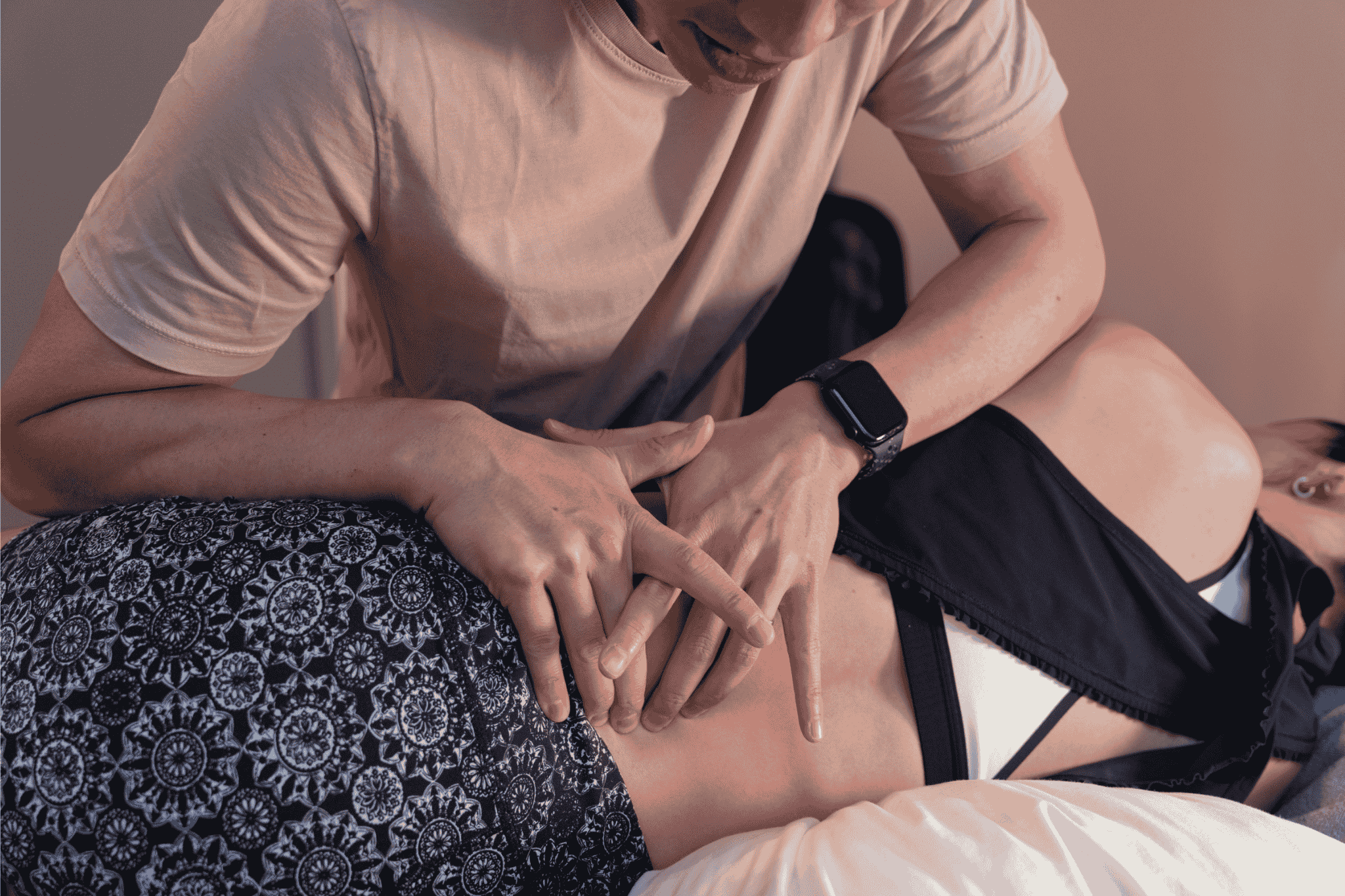
Hands-on treatment — such as manual therapy or dry needling — can be helpful, particularly in the early stages. I use these tools when appropriate.
However, passive treatment alone is rarely enough for lasting spinal recovery.
Long-term spinal rehabilitation should include:
Progressive strengthening and loading
Gradual exposure to movements you currently avoid
Education around flare-ups and self-management
A clear pathway back to normal life, training, or sport
If treatment never progresses beyond short-term symptom relief, results are often temporary.
4. Ask about structured rehabilitation — not just exercises
There’s a big difference between being given a few exercises and being guided through a structured rehabilitation program.
Structured spinal rehab means:
Exercises matched to your current capacity
Planned progression over weeks and months
Clear goals and markers of improvement
Integration into your work, sport, or gym routine
This is especially important if you:
Have had pain for months or years
Have tried physiotherapy before without lasting benefit
Want to return to sport or training confidently

An example of an exercise in our Spinal Solutions Program we commonly prescribe for Lower Back Pain.
5. Consider whether online physiotherapy is appropriate
For many people in London, online spinal rehabilitation is a highly effective option — particularly when rehab is exercise-led and guided by an experienced clinician.
Online physiotherapy works well when:
The diagnosis is clear
Rehab is structured and progressive
You want flexibility around work and travel
You prefer longer, more in-depth consultations
When done properly, online spinal rehab still provides clear guidance, accountability, and progression — without the time cost of commuting across London.
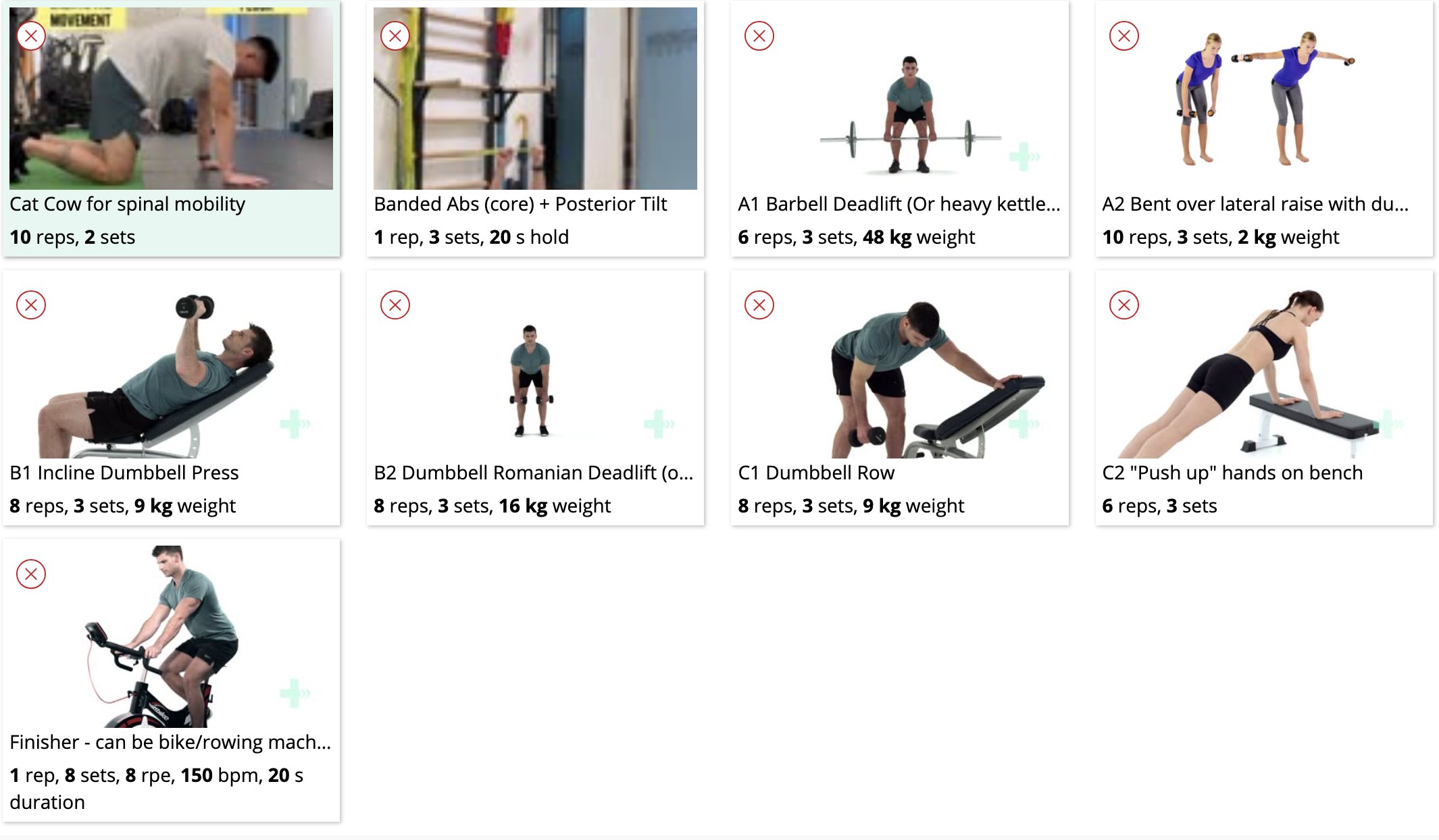
An example of our online physiotherapy rehabilitation program that’s created for each individual.
6. Choose experience over convenience
While location matters, experience matters more — particularly for spinal rehabilitation.
A physiotherapist with extensive experience in spinal and sports injuries will:
Recognise patterns early
Avoid over-medicalising pain
Progress rehab with confidence
Focus on long-term outcomes, not just symptom relief
This becomes especially important if you’ve already been through multiple treatment cycles without lasting improvement.
Why I specialise in spinal rehabilitation
I specialise in spinal rehabilitation because I’ve always found it both challenging and meaningful. Early in my career, I saw how many people were given vague explanations or short-term fixes, only to end up stuck in recurring pain. I wanted to understand the root causes of spinal pain and develop long-term solutions that genuinely improve quality of life — and that continues to drive how I treat my clients today.
My physiotherapy career began in Australia, where I trained under mentors who were global leaders in spinal manual therapy. That early exposure shaped how I approach spinal pain: not as something fragile or mysterious, but as a problem that needs to be understood, explained, and progressively rehabilitated.
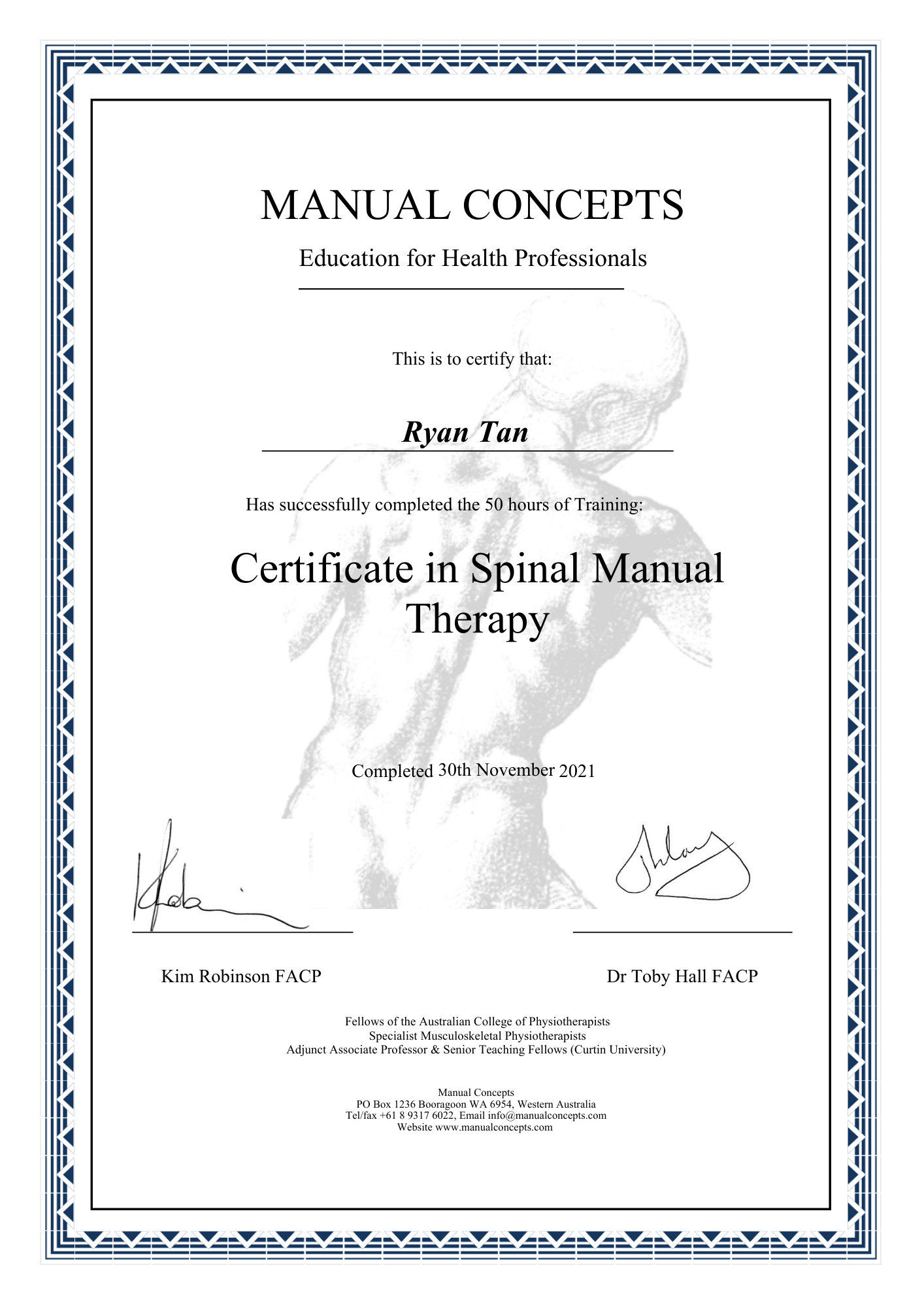
Over the years, I’ve completed extensive postgraduate training focused specifically on spinal conditions, including:
Certification in Spinal Manual Therapy (COSMT)
Osteopathic Spinal Manual Therapy training (OMT)
Advanced neck pain management training with Professor Gwendolen Jull, widely regarded as a global authority in neck pain disorders
Multiple workshops and clinical training with Professor Peter O’Sullivan, a world leader in chronic and complex low back pain
These experiences reinforced a core belief that guides all my work:
effective spinal rehabilitation is not about techniques — it’s about reasoning, communication, and progression.
How this influences the way I treat spinal pain
Because of this background, my approach to spinal rehabilitation is structured and deliberate.
I place strong emphasis on:
Providing a clear working diagnosis that actually makes sense
Explaining why pain is persisting, not just where it hurts
Designing rehab that gradually restores confidence and capacity
Helping people understand flare-ups rather than fear them
This same framework is what I used when running lower back pain workshops for other physiotherapists in Hong Kong — helping clinicians improve how they assess, explain, and manage complex spinal presentations.
Trust and collaboration in spinal care
Throughout my career, I’ve worked closely with spinal surgeons and medical specialists.
Previously in Hong Kong, I was trusted by leading spinal surgeons, including Dr KC Mak, to manage pre- and post-operative spinal rehabilitation.
In London, I continue to work with and receive referrals from spinal surgeons who value clear communication, structured rehab, and evidence-based progression.
That trust is built over time — through outcomes, consistency, and professional integrity.
Why I created Physiologic
Physiologic exists to provide the kind of spinal rehabilitation I believe in — calm, structured, and focused on long-term results rather than short-term fixes.
I work with people who:
Want to understand their spinal pain
Are frustrated by recurring flare-ups
Have “tried physio before” without lasting results
Want a plan that actually progresses over time
Whether through in-person care or online physiotherapy, my goal is the same:
to help people rebuild confidence in their spine and return to life and training without fear.
Final thoughts
Choosing the right physiotherapist in London for spinal rehabilitation isn’t about finding the closest clinic — it’s about finding someone who understands spinal loading, progression, and long-term recovery.
Ask good questions. Expect clear explanations. And prioritise structured rehab over short-term relief.
About the Author
Ryan Tan is an Australian-trained physiotherapist based in London and the founder of Physiologic. He specialises exclusively in spinal conditions and sports injuries, with extensive postgraduate training in spinal manual therapy, neck pain management, and complex low back pain rehabilitation.
Ryan has worked closely with leading spinal surgeons in both Hong Kong and London and has delivered professional education workshops on spinal rehabilitation for other physiotherapists. His approach focuses on clear diagnosis, structured rehabilitation, and long-term outcomes — helping people move beyond recurring pain and return to life and training with confidence.